
Sources for Previous Windsor Residents
House history needs two lanes. The title lane follows owners and legal descriptions. The household lane follows names printed at an address or recorded in a census, newspaper, obituary, or probate file. A source can be excellent for one lane and weak for the other. The table keeps those limits visible while covering the Windsor-era record trail.
| Source | Years it covers | Where held | What it shows |
|---|---|---|---|
| Computer recorder index and images | January 1964-present | Sonoma Clerk-Recorder online or counter | Grantor, grantee, instrument, date, image route |
| Handwritten index books and deeds | November 1847-December 1963 | Recorder counter and imaged or microfilmed books | Book and page, older title chain |
| Digitized directories | 1878-79, 1887, 1909-10, 1922-24, 1921-1930s regional run | Sonoma Library Digital Collections | Name, post office, acreage, subscriber or business context |
| Federal census | Public through 1950 | NARA and library databases | Household and neighbors at an enumeration date |
| Sanborn Windsor sheet | 1911; 1929 revision | H&G microfilm reel 72 and FIMo | Built form and address anchor |
| Town permits and local papers | Post-incorporation permits; local papers 1977-2017 | Town Building, library, databases | Work dates, notices, sales, deaths, and address clues |
Start with the deed chain for a title question, the directory and census stack for a household question, and the newspaper or probate trail for a death or heir question. Windsor was unincorporated until 1992, so earlier permit and planning records may be county records rather than Town files.
Start With Today’s Windsor Resident Record
The backward trail begins with current parcel evidence. Search the Sonoma GIS Hub or Assessor by street address, capture the APN and situs exactly, and keep the tax mailing address in a separate note. The situs is the physical parcel. The mailing address is where tax notices go. The legal description is the title identity. A mismatch between the three is common enough to expect.
The Town Hall parcel example in the research shows how much context a parcel card can hold: assessment number, tax-rate area, current document, situs, acreage, land and structural values, exemptions, building sequence, size, type, year built, and other visible fields. Use that detail to anchor a deed search, not to claim a household. California limits unrestricted Internet owner display, so an office or qualified product may show more than a free page.
Find Windsor Deeds for Previous Residents
The Sonoma County Clerk-Recorder’s deed guidance explains recording context, while the modern grantor-grantee index at crarecords.sonomacounty.ca.gov supplies the search route. Use the grantee name, approximate date, APN or document clue. Record the instrument number and open the image when available. The image may reveal the seller, buyer, legal description, transfer-tax statement, return address, tax address, signatures, and notary acknowledgment.
Online current images can be purchased or viewed through the county service, and all recorded documents may be searched and viewed free at the recorder counter. Staff do not select records or perform title research. Current copy routes include online, in-person, mail, and email options with separate fees and certification rules. Verify the live schedule before ordering.
The Sonoma County deed guidance is the source for the recording and copy context.
Cross Windsor's 1964 Resident Records
January 1964 divides Sonoma’s recorder search mechanics. From that date forward, the computer index and images make a recent deed chain easier to locate. Before that line, use imaged handwritten grantor and grantee books to find book and page, then retrieve the digitized or microfilmed document. Holdings reach November 3, 1847, before California statehood.
The recorder’s restrictive-covenant program gives a concrete picture of the archive, with estimated images across 1847-1899, 1899-1922, 1921-1963, 1964-1979, and 1980-2023. The format shift is not a record-loss story. It is a finding-aid story. Preserve historical abbreviations and search role variants. A bank or trust name can look different across decades.
The recorder’s restrictive-covenant program documents the index and image eras.
Windsor Previous-Resident Legal Descriptions
Modern street numbers do not travel cleanly into Windsor’s rural past. Before Old Redwood Highway was paved in 1915, roads were dirt and could be described by ranch or resident. Windsor remained unincorporated until July 1, 1992. Postal Windsor does not prove Town jurisdiction, and older permits or planning files may belong to Sonoma County. A lot, block, subdivision, map, neighboring parcel, APN history, or legal description can carry the trail across that gap.
Sanborn’s 1911 Windsor sheet, with its 1929 “W. Windsor” revision, and the library’s county atlases, street maps, aerials, surveys, and Wallace engineering drawings can connect built form to the deed. Verify the research note’s “1900” aerial label before treating it as a date. A careful house history records uncertainty instead of silently fixing a source label.
Close a Windsor Trail With Family Records
Once a deed chain reaches a deceased owner or a household change, use the library’s obituary and cemetery resources, HeritageHub, local newspapers, and probate files. A death index can supply a date and relatives. A probate petition may name a decedent, petitioner, heirs, and mailing addresses, subject to redaction. A court file or order is stronger than a notice when legal heirship matters.
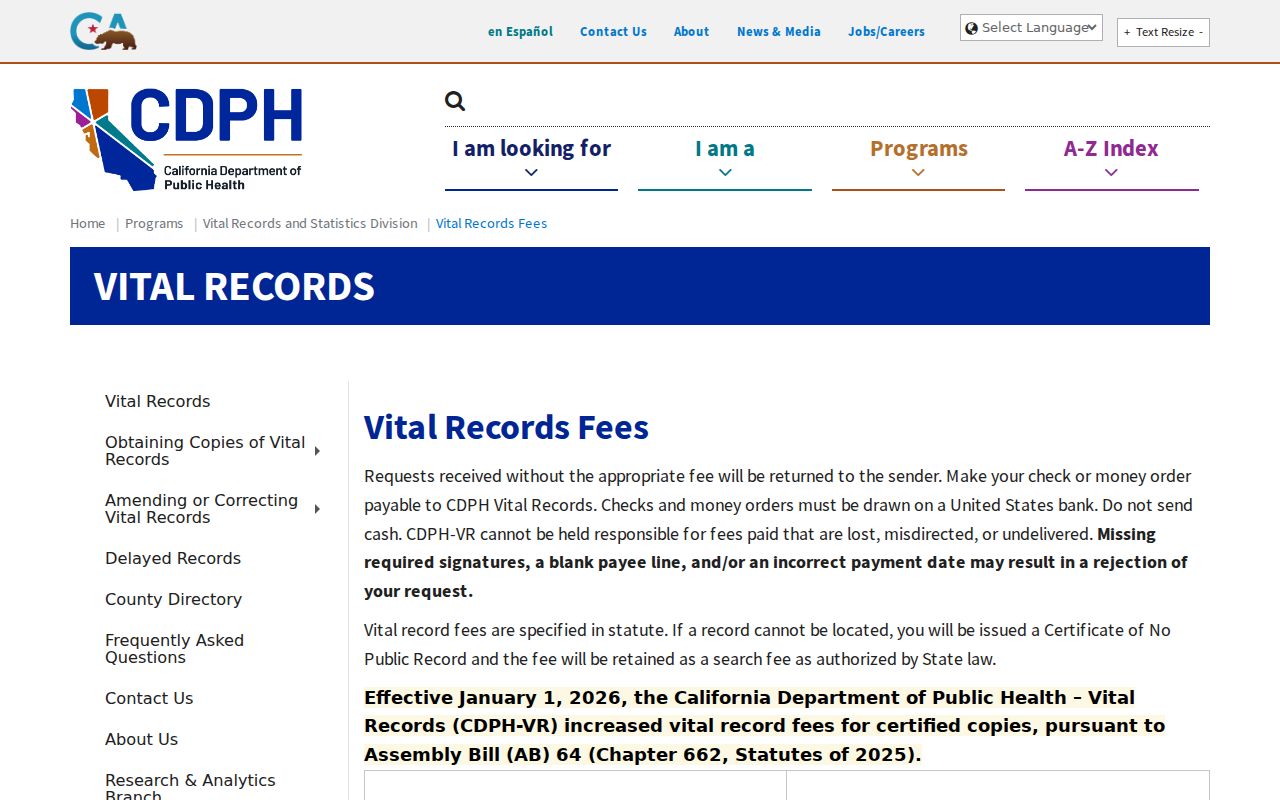
California vital records use authorized and informational copies, not one simple release age. Sonoma County Recorder, County Health, CDPH, and Superior Court divide custody. The 2026 CDPH fee schedule lists birth $31, death $26, marriage $19, and dissolution $18. Keep a historical index clue separate from a certified copy. The California State Archives can add state-government records and genealogy guidance when the local trail points beyond Sonoma.
The California State Archives catalog and genealogy resources form a state-level fallback for an older Windsor trail.
Walk Back the Windsor Resident Deed Chain
Begin with the current Windsor situs, APN, assessed name where available, and tax mailing address. Locate the current acquisition deed in the Sonoma County recorder index. Read the image for grantor, grantee, recording date, instrument number, legal description, return address, tax address, and APN. Then search the grantor as an earlier grantee. Repeat the handoff until the modern street address gives way to a lot, block, subdivision, map, or older rural description.
- Capture the current APN and legal-description clue from the assessor and parcel map.
- Find the present acquisition as a grantee in the 1964-present recorder index.
- Read the deed image and save the seller, date, document number, and legal description.
- Search that seller as a grantee in the earlier period, checking spelling and entity variants.
- Cross the January 1964 line with handwritten grantor and grantee books, then retrieve the deed by book and page.
- Grantor and grantee
- The grantor conveys an interest; the grantee receives it. The role changes from one transfer to the next.
- Chain of title
- A linked series of recorded transfers for the same property interest.
- Legal description
- Lot, block, subdivision, or metes-and-bounds language that identifies the land more reliably than an old street label.
- APN
- The assessor parcel number used for tax mapping; it is not itself the deed’s legal description.
This order keeps a modern address from carrying more certainty than the source allows. The APN starts the search, the deed supplies the transfer, and the legal description tests whether the older instrument is really the same property.
Windsor Deed Search Notes for Past Residents
Recorded document roles are the hinge of a previous-residents search. A current owner is usually a grantee on the acquisition deed. That person or entity may be a grantor on the next transfer. Search both roles, and test trust, company, middle-initial, and historical abbreviation forms. Save the recording date and document number before following the next link.
A document image can show a return address or tax mailing address that helps connect a person to a place, but neither field is proof of occupancy. A deed of trust, reconveyance, lien, release, or notice has a different meaning from a deed. The instrument type must remain in the notes so a financing event is not mistaken for a change in ownership.
The Sonoma County recorder index is the source for the grantor-grantee search route.
Windsor Past-Resident Vital Copy Costs
A past resident’s death, marriage, or divorce may close a house-history trail, but the copy route depends on the record. County indexes and library databases can supply a clue. A certified copy comes from Sonoma County, CDPH, or Superior Court under the record’s own eligibility rule. CDPH’s 2026 fees are $31 for birth, $26 for death, $19 for marriage, and $18 for a dissolution certificate. A dissolution certificate is not the divorce decree.
Use the CDPH fee page for current state instructions, and check the exact form before mailing. Authorized copies may require a relationship category and notarized statement. Informational copies carry a restrictive legend. Confidential marriage and adoption records have separate limits.
The California vital-record fee guidance supplies the state copy-cost reference.
Past Windsor Households in Print
Owners are only half of previous-residents research. The Sonoma Library directory shelf, census schedules, newspapers, tax assessments, Great Registers, and vital or probate indexes can show a household at a dated point. The research did not verify a named Windsor reverse-directory run, so a telephone book should not be called criss-cross without checking the actual arrangement. The Windsor city directory collections page keeps the collection details separate from this backward address trail.
Pair a directory year with the nearest census year, then compare address, post office, spouse or relative, occupation or business, acreage, and deed clue. If a name disappears, test a move, death, unlisted status, a change in volume coverage, or an OCR miss. Obituaries and cemetery guides can identify death and relatives. Probate petitions and orders are stronger sources for legal heirship than an obituary alone.
House-history use. Previous-resident research supports family history, preservation, and a lawful property story. Do not use old address clues to track, expose, or harass a living person.