
Looking Up Windsor Neighbors
A neighbors lookup begins with the block’s physical shape. The Sonoma County GIS Hub can show the subject parcel, touching polygons, across-street parcels, APNs, street labels, and available layers. The Assessor can add situs, assessment, value, and mailing context. Recorder maps and deeds explain lot lines, subdivisions, easements, and title parties. Those records describe land and public affiliations. They do not enumerate every person who lives at each address.
| Source | What it shows about a block | Access |
|---|---|---|
| Sonoma GIS parcel browse | Touching and across-street parcels, APNs, layers | Free map viewer |
| Assessor parcel detail | Situs, assessed interest, value and tax mailing context | Online, counter, subject to display limits |
| Recorder maps and deeds | Subdivision, easements, legal descriptions, transfer parties | Index, image, counter, and copy routes |
| Regulated voter file | Residence and precinct data for an approved purpose | Application, fee, security, and use limits |
| Civic and association contacts | Public officers, businesses, boards, and organizations | Public contacts; no presumption of member rolls |
| Record path | Useful block clue | Boundary |
|---|---|---|
| Official GIS, assessor, or deed record | Parcel shape, APN, situs, assessed interest, or transfer party | Does not prove every occupant or household member |
| Public civic or association contact | Organization, officer, business, event, or management route | Does not disclose a private member roll |
| Compiled people or address result | A possible name-and-location lead | Check its date, original custodian, and lawful use before relying on it |
Owner evidence and occupant evidence should stay in separate columns. A tax mailing address may point away from the situs. A deed party may never have occupied the parcel. A directory listing may be old or incomplete. The block becomes more legible when each source is labeled for the fact it can support.
Click Windsor Neighbor Parcels Side by Side
The GIS viewer’s strength is its physical view of a block. Keep parcel outlines and labels on, search the known address, and use the identify or select tool on the subject polygon. If several layers overlap, cycle the popup arrows. Open the assessor parcel map or property link, then repeat for touching parcels and the opposite side of the street. Record APN and situs as a pair.
Layers such as zoning, general-plan use, flood, aerial imagery, streets, and districts add context. They do not prove who lives in a building. The measure tool is for approximate distance or area. A boundary layer can support a block study but is not a legal survey. The visible map is the start of a neighbors lookup, not the answer by itself.
Windsor Neighbor Voter Rules by Block
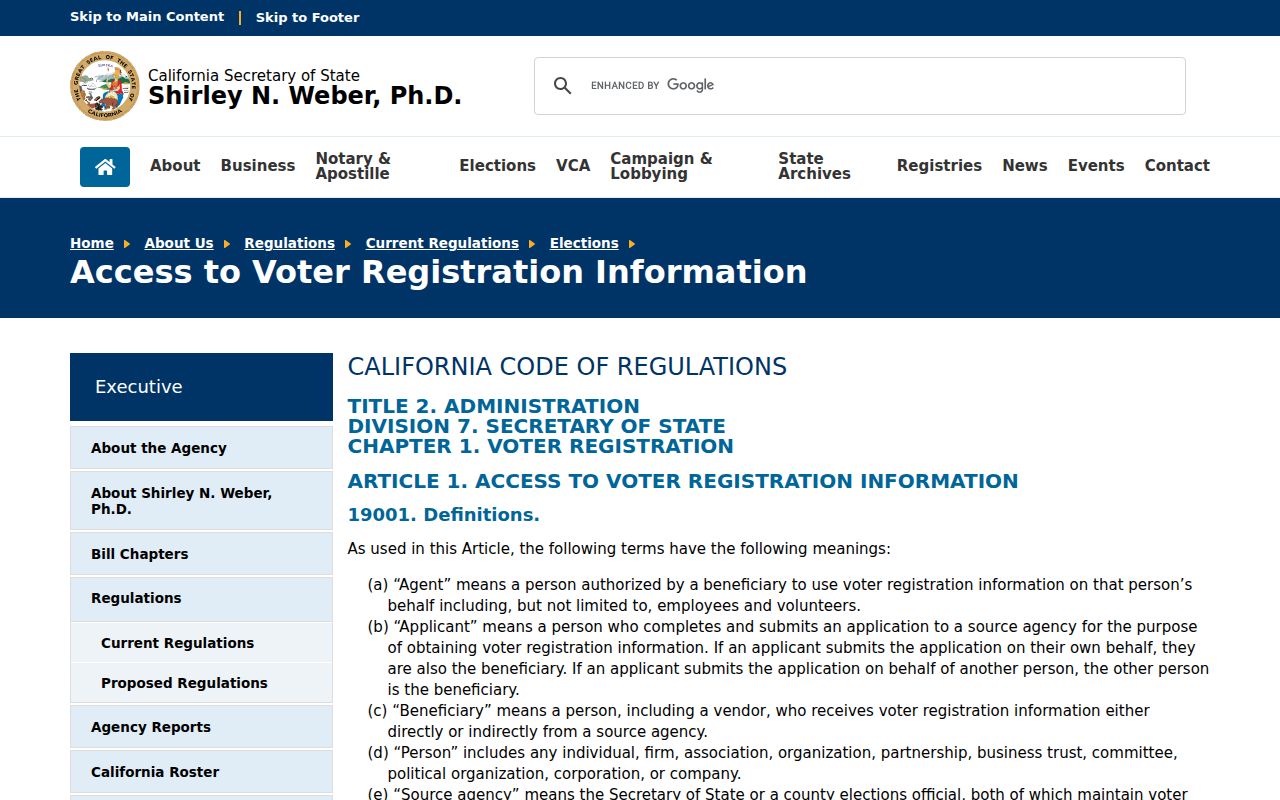
My Voter Status returns one matching voter’s registration status, party preference, vote-by-mail status, polling information, and ballot status after an identity check. It cannot reveal who is registered on a Windsor block. Elections Code §2194 restricts voter information to approved election, scholarly, journalistic, political, or governmental purposes. Commercial use is prohibited, and sensitive fields such as driver-license data, Social Security data, and signatures are withheld.
A permitted file recipient may work with residence or precinct information under a stated purpose, fee, user list, and security agreement. That does not create permission to publish a neighbor directory. Participation history never reveals ballot choices, and a voter status result is not proof of present physical occupancy.
The California voter-information regulations set the block-level access limits.
Windsor Neighbor Community Directory Layer
Some neighbors questions are really about civic connection. The Windsor Chamber of Commerce lists nearly 300 businesses, nonprofits, faith, and service organizations. Town Council and boards publish rosters, agendas, applicants, and speakers. The Windsor Historical Society offers a public museum contact and research service. The Windsor Regional Library Advisory Board and Friends group provide public organizational contacts.
These sources can reveal a public officer, a business, an event, a historic ranch, or a community group. They do not prove membership in a household or disclose a private member roll. Use a public organization page to reach an organization, not to infer who lives on the block.
| Community layer | Public route | Useful boundary |
|---|---|---|
| Windsor Chamber of Commerce | Member-business directory and Visitor Center contact | Nearly 300 public business, nonprofit, faith, and service entries; not a resident list |
| Windsor Historical Society | Museum and research service at Hembree House | Ranch, house, photograph, and burial-history leads; no member roster |
| Library groups and Town boards | Advisory, Friends, council, and commission rosters or agendas | Public organizational roles, not private household membership |
| Private HOA | Recorded subdivision or management contact when public | No comprehensive official member directory was located |
The Windsor Chamber Visitor Center is listed at 9001 Windsor Road, with 707-838-7285 and info@windsorchamber.com. The Windsor Museum & Historical Society operates from Hembree House at 9225 Foxwood Drive, 707-838-4563, with free Friday-through-Sunday hours or an appointment. Those details provide a public way to ask about organizations, historic properties, or local research without seeking private household data.
For a historical block question, the museum’s research service can trace ranch ownership, locate photographs, test whether an ancestor’s house survives, and search Russian River Township burial listings. The library groups and Town boards serve a different civic purpose. Keep the organization, property, and person layers distinct when a public contact suggests a new lead.
Windsor Neighbor HOA Records Stay Private
No comprehensive official Windsor neighborhood-association or HOA member directory was located. A private association may have governing documents, a management contact, or a subdivision name in recorded deeds and business filings. Those clues can explain a block’s structure or identify the proper contact. They do not authorize a search for private members.
For a subdivision question, start with the recorder map or deed legal description, compare the GIS parcels, and then look for a public entity or management contact. Avoid treating a chamber business listing, a board roster, or a public address as a list of households. The block layer is useful when it stays tied to land, public organizations, and the source’s stated access.
Windsor Neighbor Privacy and Removal Paths
California privacy law gives people routes to limit some consumer-data uses, but it does not erase every official record. The California Consumer Privacy Act and California Privacy Rights Act address access, correction, deletion subject to exceptions, opt-out of sale or sharing, sensitive-data limits, and nondiscrimination. The Delete Act and data-broker registry or DROP framework add a centralized deletion path whose current procedure should be checked with the California Privacy Protection Agency.
Safe at Home protects eligible people with a substitute mailing address and confidential voter registration. It does not retroactively remove old deeds, court records, journalism, or other lawful public material. Recorded-document redaction follows defined procedures. If a compiled result is wrong, correct the original custodian where possible and keep the block search narrow.
The California Attorney General privacy resources provide the official consumer and data-broker context.
Map a Windsor Neighbor Block Outward
The adjacent-parcel method is reproducible when the starting point and scale are saved. Search the Sonoma County GIS Hub by address or APN, turn on parcel outlines and street labels, click the subject polygon, and cycle through popup results when layers overlap. Then click each parcel that touches it and the parcels across the street. Capture APNs and situs addresses before opening the assessor details.
- Locate the known Windsor address in the GIS viewer and note the jurisdiction layer.
- Click touching parcels, across-street parcels, and any rear or common-area polygons.
- Compare each APN and situs with assessor value and mailing context.
- Use recorder maps or deeds when the block shape, easement, or subdivision line matters.
- For the full named street and its deed chain, switch to the Windsor street directory workflow.
A buffer or radius tool can help when the active map supports selection, but visual adjacency is the fallback. Condo parcels, rear lots, and large common areas complicate the word “neighbor.” Parcel boundaries are analytical and not a survey.
A useful block note records the date, map scale or zoom, active layers, subject APN and situs, each adjacent APN, and whether a parcel touches or sits across the street. Identify which facts came from GIS, the Assessor, a deed, or a public organization. If a new lead points to a person, return to the source’s stated access rule instead of expanding the map into a private roster.
Privacy Limits on Windsor Neighbors
A public block search leaves out renters, household members, unlisted people, utility customers, delivery recipients, DMV addresses, and protected residents. The California voter file cannot be browsed through My Voter Status. An approved recipient may process residence and precinct data only for a declared purpose and security agreement. Safe at Home participants can keep a substitute mailing address and confidential voter registration.
Community organizations do not fill the gap. A public board roster, chamber member directory, historical society contact, library Friends group, or nonprofit page lists public organizational roles. Private HOAs may expose a management or entity contact through a deed or business filing, but no comprehensive member directory was located. A public business contact should never be relabeled as a neighbor household.
Lawful personal use. Windsor neighbors research can support block history, civic curiosity, and safe community connection. Do not use an address trail to watch, stalk, harass, threaten, or intimidate anyone. California Penal Code §646.9 and §422 set serious limits.